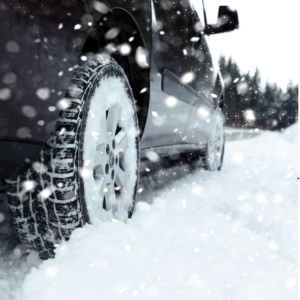
 Winter driving in Ontario can be challenging, especially for new drivers. Snow, ice, and reduced visibility require different techniques than dry road driving. Preparing properly can make all the difference.
1. Slow Down
Speed limits are set for ideal conditions. When roads are icy or snowy:
-
Reduce speed
-
Increase following distance
-
Avoid sudden braking
Smooth movements are key.
2. Increase Following Distance
In winter conditions, stopping distance can double or even triple. Leave extra space between you and the vehicle ahead.
3. Brake Gently
Sudden braking can cause skidding. Instead:
-
Apply brakes gradually
-
Let ABS do its job
-
Avoid slamming the pedal
4. Steer Smoothly
Sharp turns can cause loss of traction. Make gradual steering adjustments and avoid overcorrecting.
5. Clear All Snow From Your Vehicle
Before driving:
-
Clear windshield completely
-
Remove snow from roof
-
Clean headlights and taillights
Snow flying off your car can block visibility for others.
6. Practice in a Safe Area
If you’re new to winter driving, practice in an empty parking lot to understand how your vehicle handles on slippery surfaces.
7. Prepare for Emergencies
Keep in your car:
-
Ice scraper
-
Blanket
-
Phone charger
-
Emergency kit
Final Advice
Winter driving requires patience and awareness. Taking a winter driving lesson can help you gain confidence and learn safe techniques in real conditions.
Stay safe and drive responsibly.